Views: 2957 Author: Site Editor Publish Time: 2026-01-29 Origin: Site


In the realm of display technology, transparent LED screens have emerged as a groundbreaking innovation, blending cutting-edge engineering with futuristic aesthetics. Unlike traditional opaque displays, transparent LED panels allow light to pass through while maintaining vibrant image quality, creating a harmonious fusion of digital content and the surrounding environment. This technology is transforming industries from retail and architecture to automotive and entertainment, offering unparalleled versatility and visual impact.
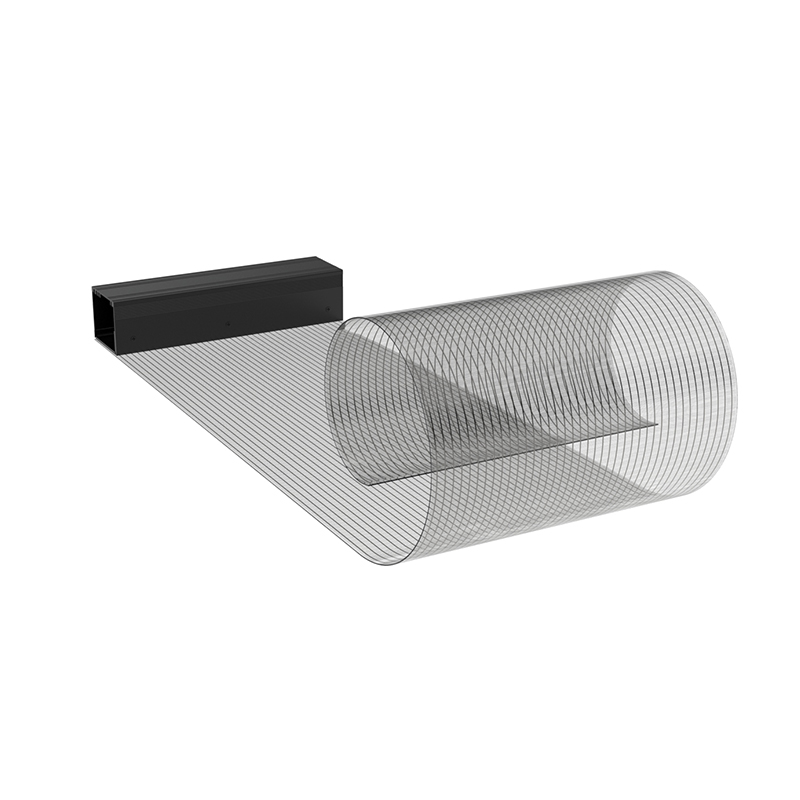
How Transparent LED Displays Work
Transparent LED displays operate on a principle distinct from conventional LCD or OLED screens. Instead of relying on a backlight or reflective layers, they utilize micro-LED pixels mounted on transparent substrates, such as glass or acrylic. These pixels emit light independently, enabling high brightness and contrast while preserving transparency. The gaps between pixels are minimized through advanced manufacturing techniques, ensuring minimal obstruction of background views. This design allows for dynamic content delivery—from videos and animations to real-time data—without compromising the visibility of objects or scenes behind the display.
Key Advantages
1. Architectural Integration:
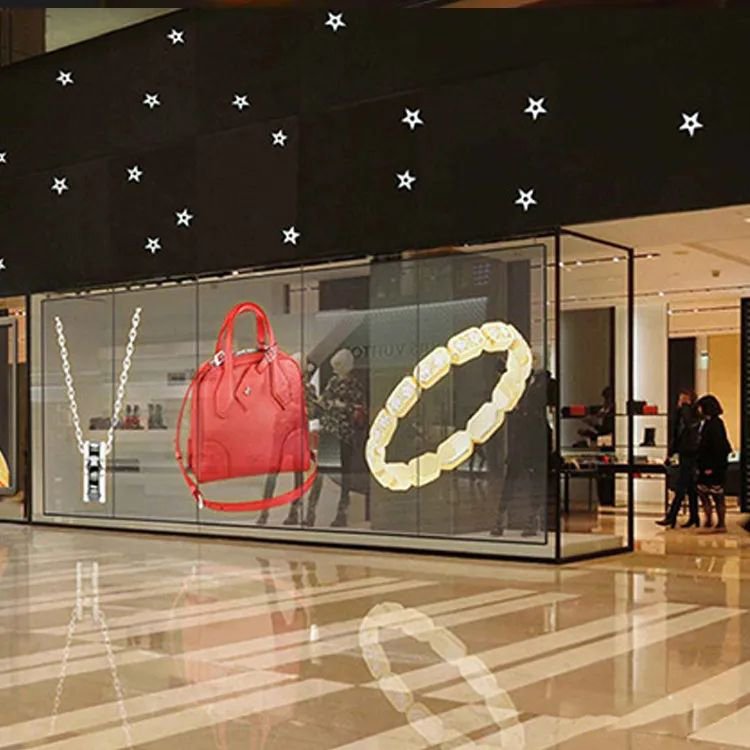
Transparent LEDs redefine spatial design by serving as both functional displays and aesthetic elements. In retail stores, they can replace traditional windows, showcasing products with dynamic advertisements while allowing passersby to see inside. Architects leverage them for building facades, creating interactive light installations that respond to environmental factors like sunlight or movement.
2. Energy Efficiency:
Micro-LED technology consumes less power than conventional displays, as it only illuminates active pixels. This efficiency is particularly beneficial for large-scale installations, reducing operational costs and environmental impact.
3. Durability and Flexibility:
Transparent LED panels are lightweight, durable, and resistant to weather conditions, making them suitable for both indoor and outdoor applications. Their flexibility also allows for curved or irregular installations, expanding creative possibilities for designers.

Applications Across Industries
• Retail and Advertising:
Brands use transparent LED windows to create immersive shopping experiences, displaying promotions while maintaining store visibility.
• Smart Cities:
Transparent displays integrated into public infrastructure, such as bus stops or traffic lights, provide real-time information without cluttering urban landscapes.
• Entertainment:
Concert stages and theaters employ transparent LED screens for breathtaking visual effects, blending live performances with digital artistry.
• Healthcare:
In medical settings, transparent LEDs enable doctors to view patient data or imaging results during procedures without turning away from the operating field.
Conclusion
Transparent display LEDs represent a paradigm shift in how we interact with digital content and physical spaces. By merging functionality with transparency, they offer a canvas for innovation across industries, enhancing communication, engagement, and design. As the technology matures, its cost-effectiveness and scalability will improve, paving the way for a future where screens seamlessly blend into our surroundings, enriching lives without dominating them. The transparent LED revolution is not just about seeing through screens—it’s about seeing the world in a whole new light.

+86-153-1378-3776

+86-153-1378-3776

allison@e-light-led.com