Views: 1536 Author: Site Editor Publish Time: 2026-01-29 Origin: Site


In the ever-evolving landscape of display technology, glass LED displays with high transparency rates have emerged as a transformative force, redefining the boundaries between digital content and the physical world. These cutting-edge displays, capable of transmitting over 80% of light, offer an unprecedented blend of clarity, vibrancy, and versatility, making them a game-changer across various industries.
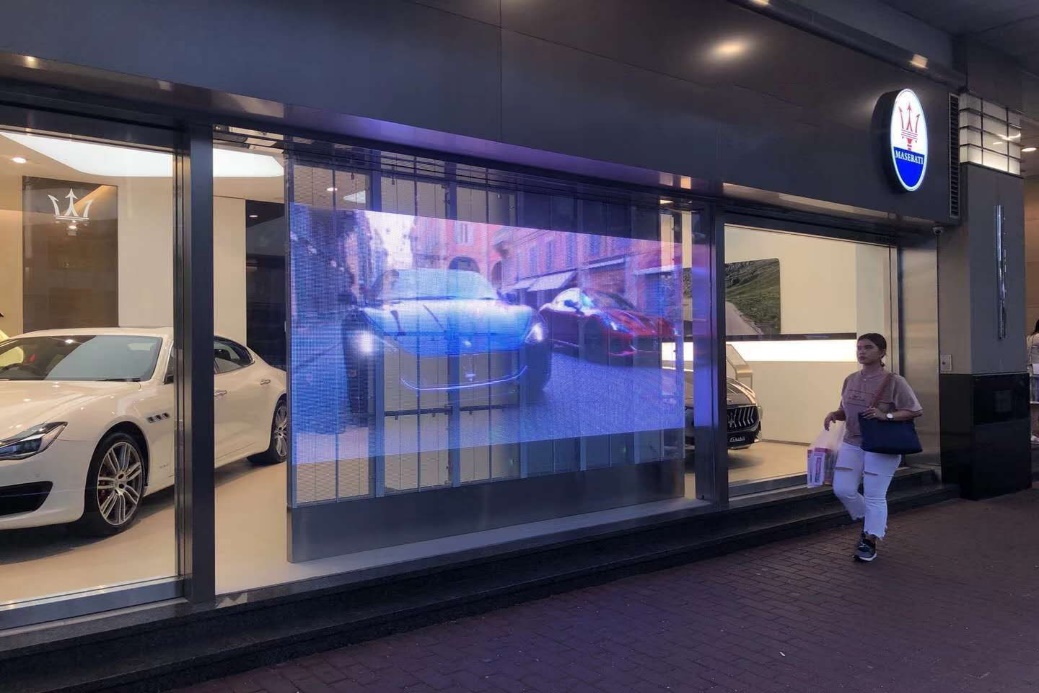
The primary allure of high-transparency glass LED displays lies in their ability to seamlessly integrate with architectural elements. Unlike conventional opaque screens that dominate spaces, these transparent displays allow natural light to penetrate and background scenery to remain visible, creating a harmonious fusion of digital and real-world environments. This feature makes them particularly well-suited for applications such as storefront windows, where businesses can showcase dynamic advertisements without obstructing the view into their shops. Similarly, in office settings, they can serve as interactive partitions or informational displays while maintaining an open, airy atmosphere.
Technologically, these displays leverage advancements in micro-LED and transparent electrode materials to achieve their remarkable transparency and image quality. The reduction in pixel pitch enhances resolution, ensuring that even fine details are rendered with precision. Meanwhile, high brightness and contrast ratios guarantee vivid visuals, even in brightly lit conditions, making them suitable for both indoor and outdoor use.

Furthermore, the slim and lightweight design of glass LED displays facilitates easy installation on a variety of surfaces, including curved or irregular structures. This flexibility opens up new possibilities for creative expression in architectural design, enabling architects and designers to incorporate dynamic digital elements into buildings without compromising their aesthetic appeal.
In addition to their aesthetic and functional benefits, high-transparency glass LED displays also contribute to sustainability. Their energy-efficient operation and long lifespan reduce the need for frequent replacements, minimizing waste and lowering operational costs over time.
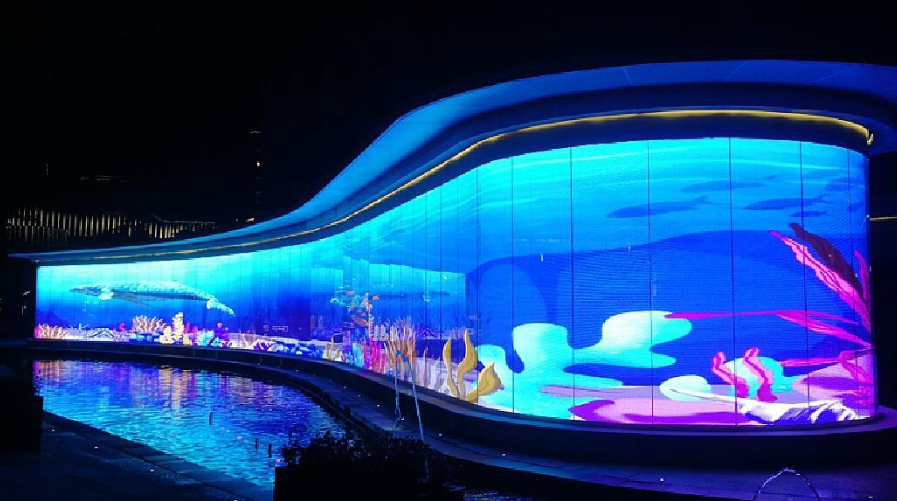
In conclusion, glass LED displays with high transparency rates represent a significant leap forward in visual technology. By merging digital content with the physical environment in a seamless and visually appealing manner, they offer unparalleled opportunities for innovation and engagement. As cities and businesses continue to seek ways to enhance their spaces and connect with audiences, these displays are poised to play a pivotal role in shaping the future of visual communication.

+86-153-1378-3776

+86-153-1378-3776

allison@e-light-led.com